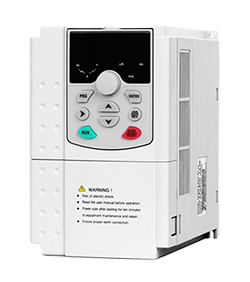
In many parts of the world, access to water is essential for farming, livestock, and daily life. Traditional water pumps often rely on electricity or diesel, which can be expensive, unreliable, and harmful to the environment. That’s why more and more people are choosing solar water pumps — a clean, cost-effective, and reliable solution.
1.Substantial Cost Reduction (60% System Cost)
The solar pump system eliminates reliance on traditional grid electricity, leveraging free solar energy to power operations. This reduces long-term energy expenses, especially in remote areas where grid connection is costly or unavailable.
Example: A rural irrigation project using a diesel pump spends 10,000 annually on fuel; a solar pump system can cut this cost to 4,000, saving $6,000/year.
System components (solar panels, inverters, pumps) are designed for energy efficiency, with modular scalability to fit different budgets, further optimizing initial investment.
2.Drastic Reduction in Manual Labor (80% Installation & Maintenance)
Installation is simplified through pre-fabricated kits and plug-and-play components, reducing on-site labor needs. For instance, traditional pump systems require 5-7 workers for 3 days, while solar systems can be installed by 2-3 workers in 1 day.
Maintenance is minimized due to fewer moving parts (no diesel engines or complex wiring). Solar panels have a lifespan of 25+ years with minimal upkeep, and smart monitoring systems alert users to issues remotely, reducing on-site visits.
3.Significant Risk Mitigation (90% Fault & After-Sales Service Reduction)
Solar pump systems use sealed, weather-resistant components (e.g., IP65-rated pumps) that are less prone to mechanical failures compared to diesel or grid-powered systems.
Fault risks are further lowered by integrated protection features (overvoltage, overheating, dry-run protection). For example, a grid-powered pump may fail due to voltage fluctuations, while a solar system with MPPT (Maximum Power Point Tracking) technology stabilizes operation.
After-sales service needs are minimal: remote diagnostics via IoT connectivity allow technicians to resolve 90% of issues without physical visits, cutting service costs and downtime.
4.Remote Control for Cost-Efficient Management
Remote monitoring systems (e.g., via mobile apps or web platforms) enable real-time tracking of pump performance, water levels, and energy production.
Example: A farmer can adjust pump operation from a smartphone, scheduling watering based on weather forecasts, reducing water waste and energy consumption.
Remote control eliminates the need for on-site personnel, saving labor costs and enabling quick response to system alerts (e.g., leak detection or low water levels).
In short, solar water pumps offer a powerful way to get water where it’s needed — without the costs and problems of traditional systems. Whether you’re a small farmer or a large landowner, switching to solar is a step toward energy independence and a greener tomorrow.